
My Shiny Scales
My Shiny Scales
OVERVIEW
STORY
This project is an interactive narrative mini-game based on an original children's picture book I illustrated. Through experiencing a series of dreamy growth journeys from the protagonist's perspective, I hope players can undergo an inner healing experience.
Roles: Illustrator, Interaction Designer, Gamer Designer, User Research
Date: Jul 2024 - Nov 2024
Duration: 12 weeks
Tools: Photoshop, Illustrator, InDesign, Unity
PROBLEM
Emotional wounds from childhood often go unnoticed, but continue to shape how we see ourselves.
SNEAK PEEK
PROBLEM
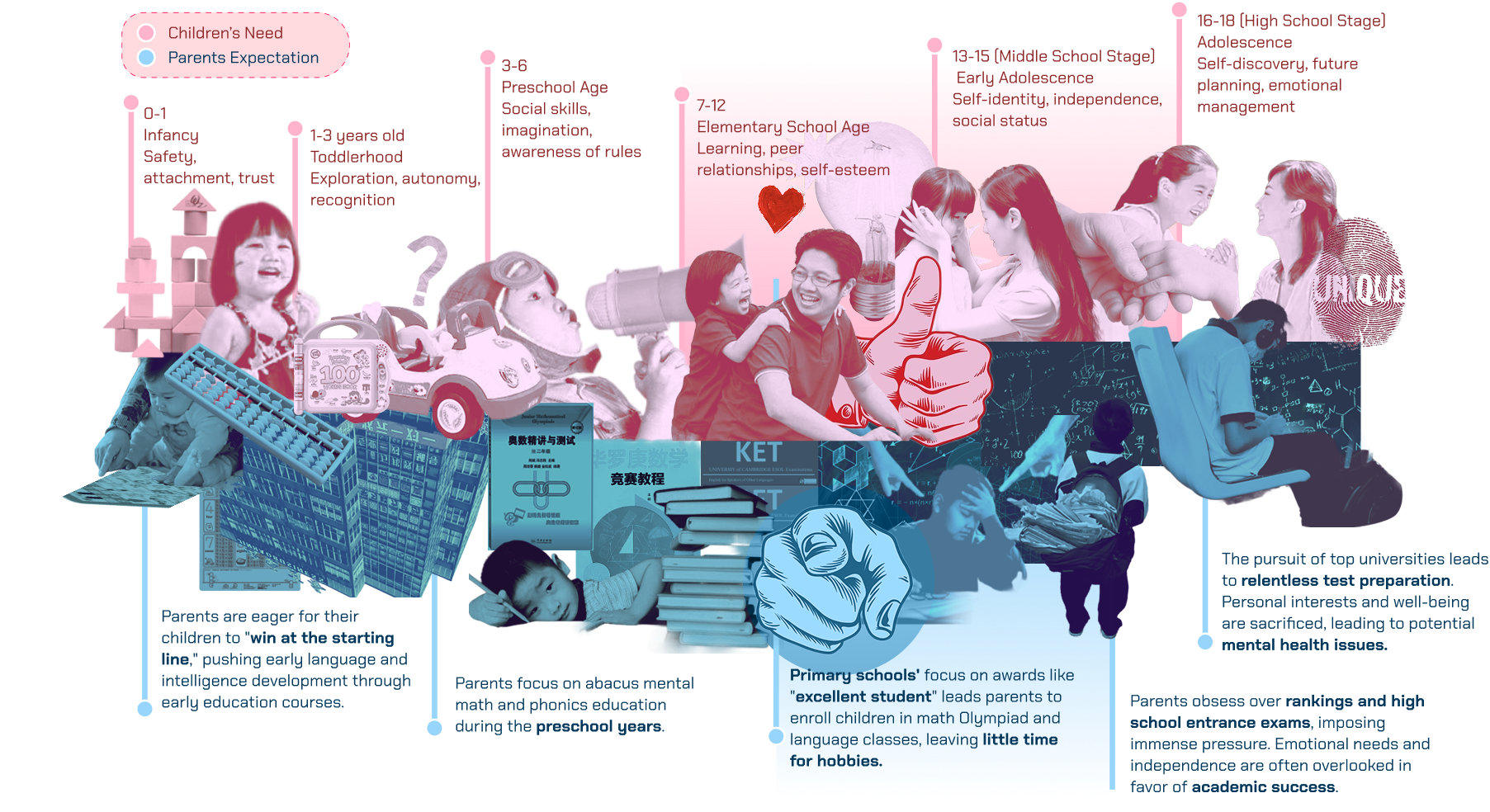
As we grow up in highly competitive environments, particularly within exam-driven and comparison-oriented cultures, moments of criticism, comparison, and misunderstanding quietly shape how we see ourselves. These experiences often go unnoticed, but over time, they turn into self-doubt and inner criticism.
INSIGHT
Through analyzing children’s emotional experiences, I found that these feelings are often difficult to express directly. Instead of instructions or advice, people are more likely to connect with stories that reflect their own experiences.
This insight informed the decision to design an interactive storytelling experience that introduces emotional awareness in a more intuitive and relatable form.
Opportunities for Growth
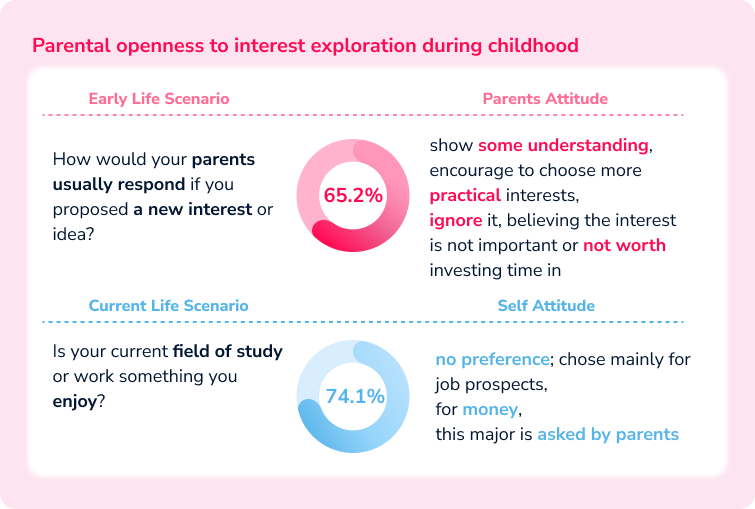
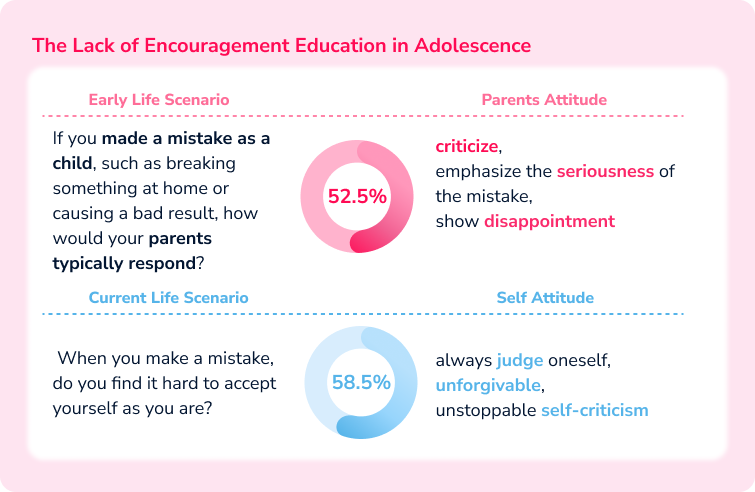
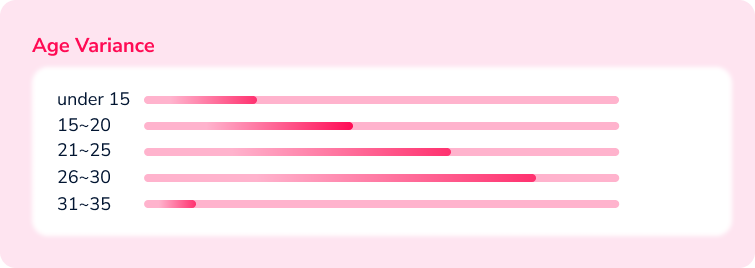
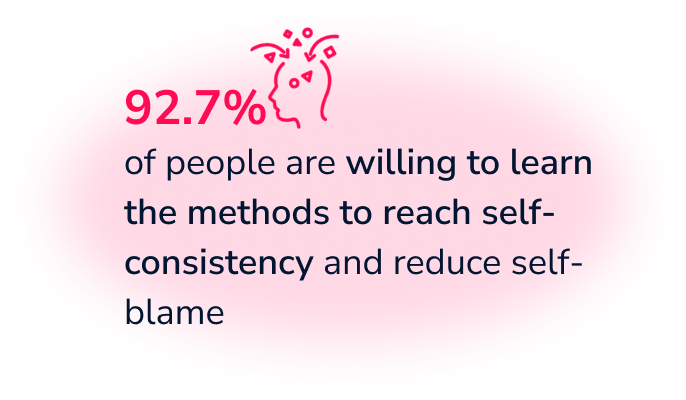
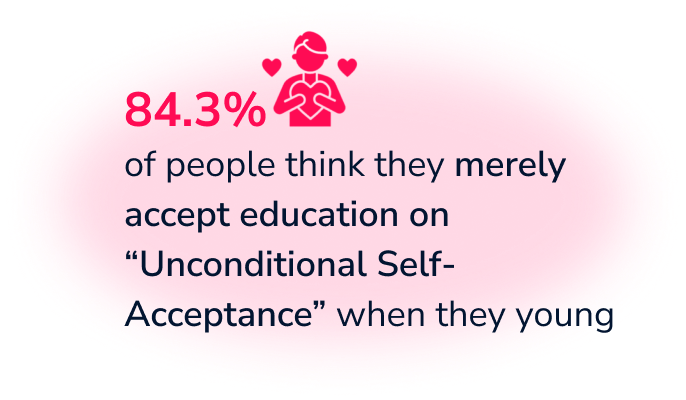
This questionnaire showed that while many young people in China lack early education around self-acceptance—91 out of 108 participants reported limited understanding—they are willing to engage with these ideas when presented in an accessible way, with 100 out of 108 expressing a strong willingness to learn.
AUDIENCE
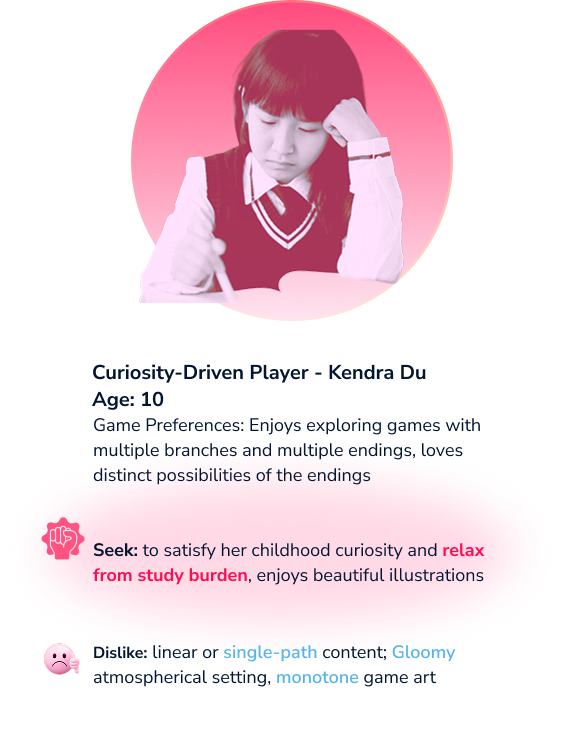
Children (~10 years old): Experiencing self-doubt and emotional challenges in real time
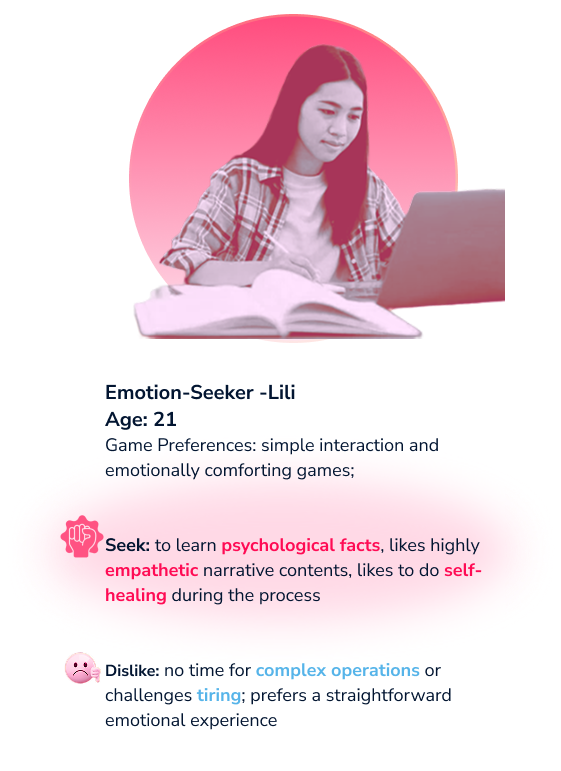
Young adults (~20 years old): Reflecting on past experiences, seeking emotional recovery
Explanation: The project provides an interactive space for both groups to explore emotions, develop self-awareness, and foster self-acceptance—either in the moment or retrospectively.
In this story, every person is born as a shining goldfish. As they grow, their scales gradually fall off through moments of pressure, judgment, and hurt. Losing scales becomes a metaphor for losing self-worth. Letting go of the scales represents embracing oneself, even without the shine.
CONCEPT
Storytelling’s Therapeutic Significance in Psychology
Helps users process emotions and reflect on experiences
Encourages self-acceptance and emotional awareness
Supports empathy and mental well-being
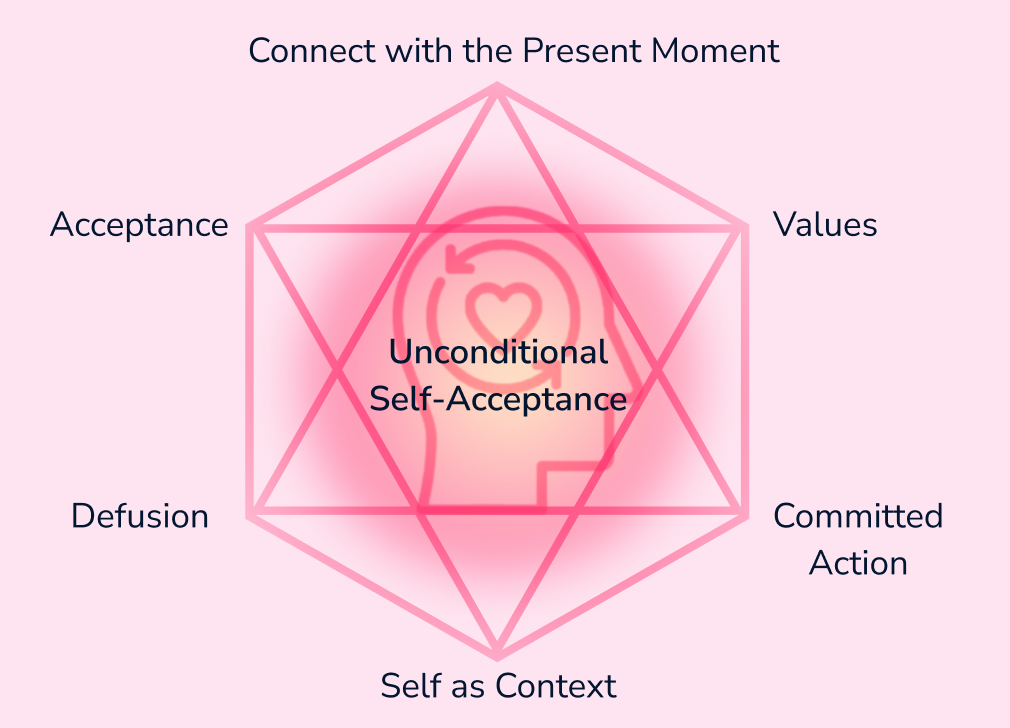
The story is an imagery representation of:
Being compared to others; Feeling unseen or unheard; Internalizing negative words; Beginning to question one’s own value.
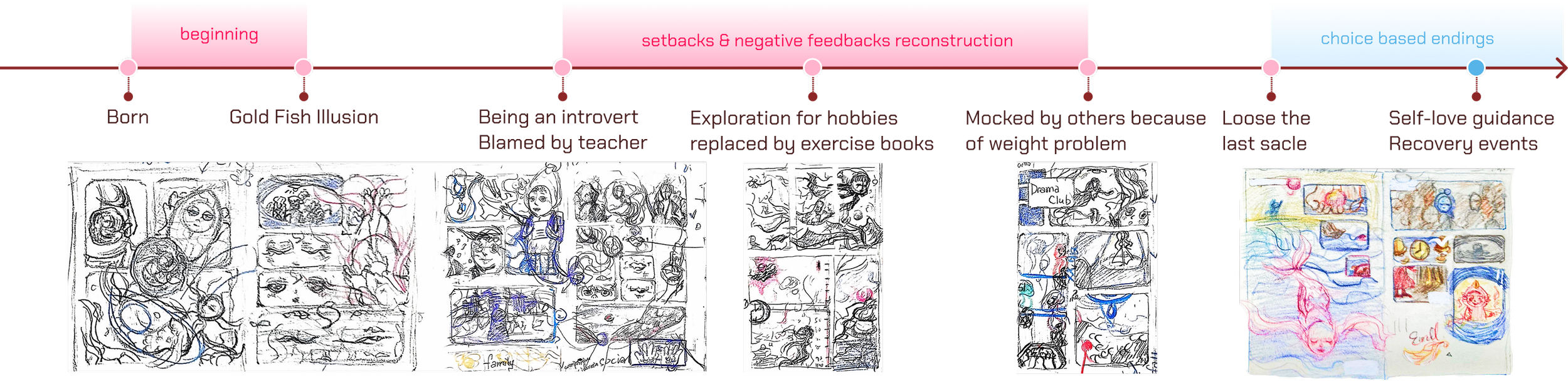
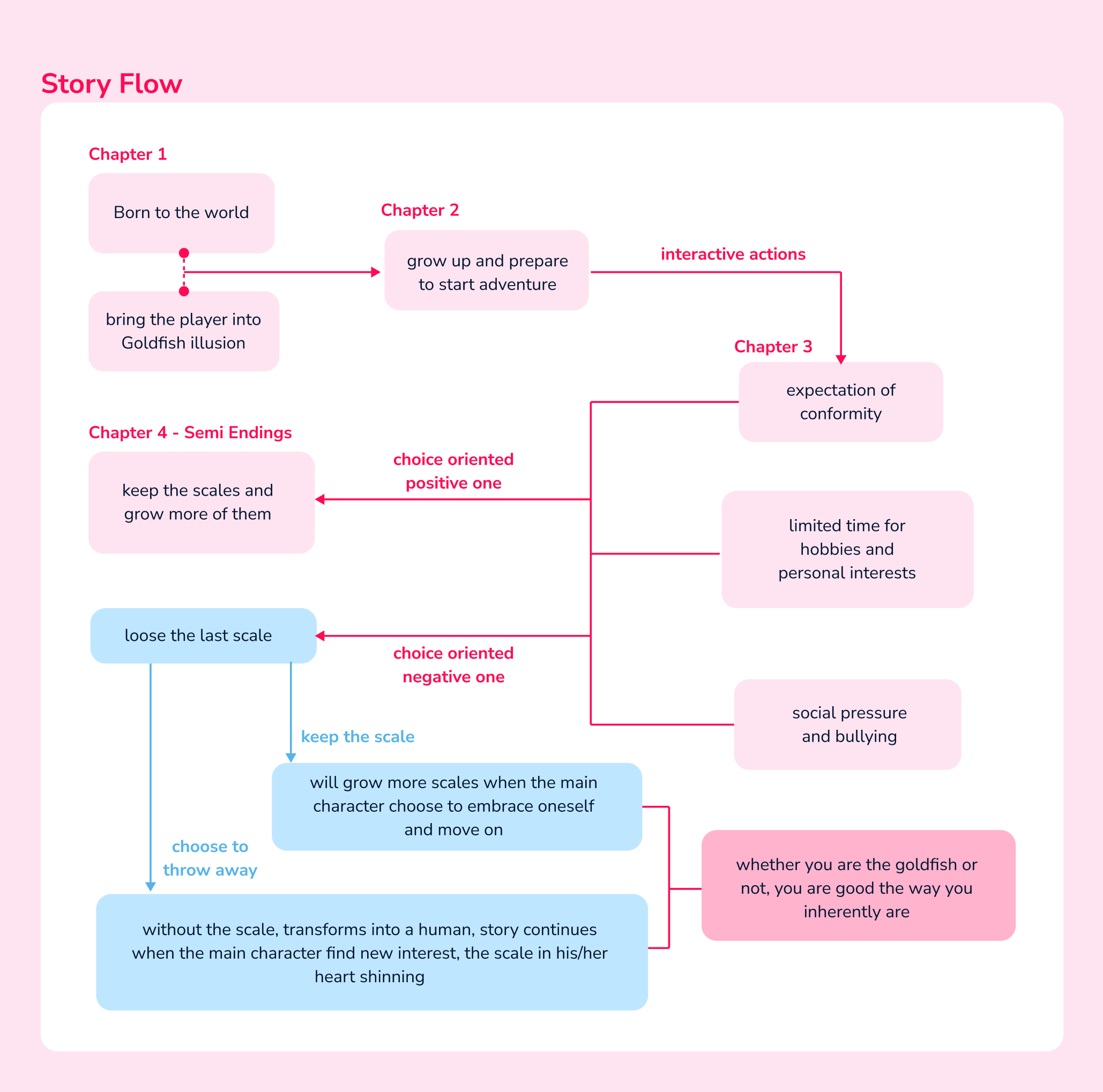
EXPERIENCE FLOW
Emotional Triggers
Key scenes are designed to reflect common emotional experiences, helping users recognize and relate to their own feelings in both physical and digital interactions.
Visual Feedback
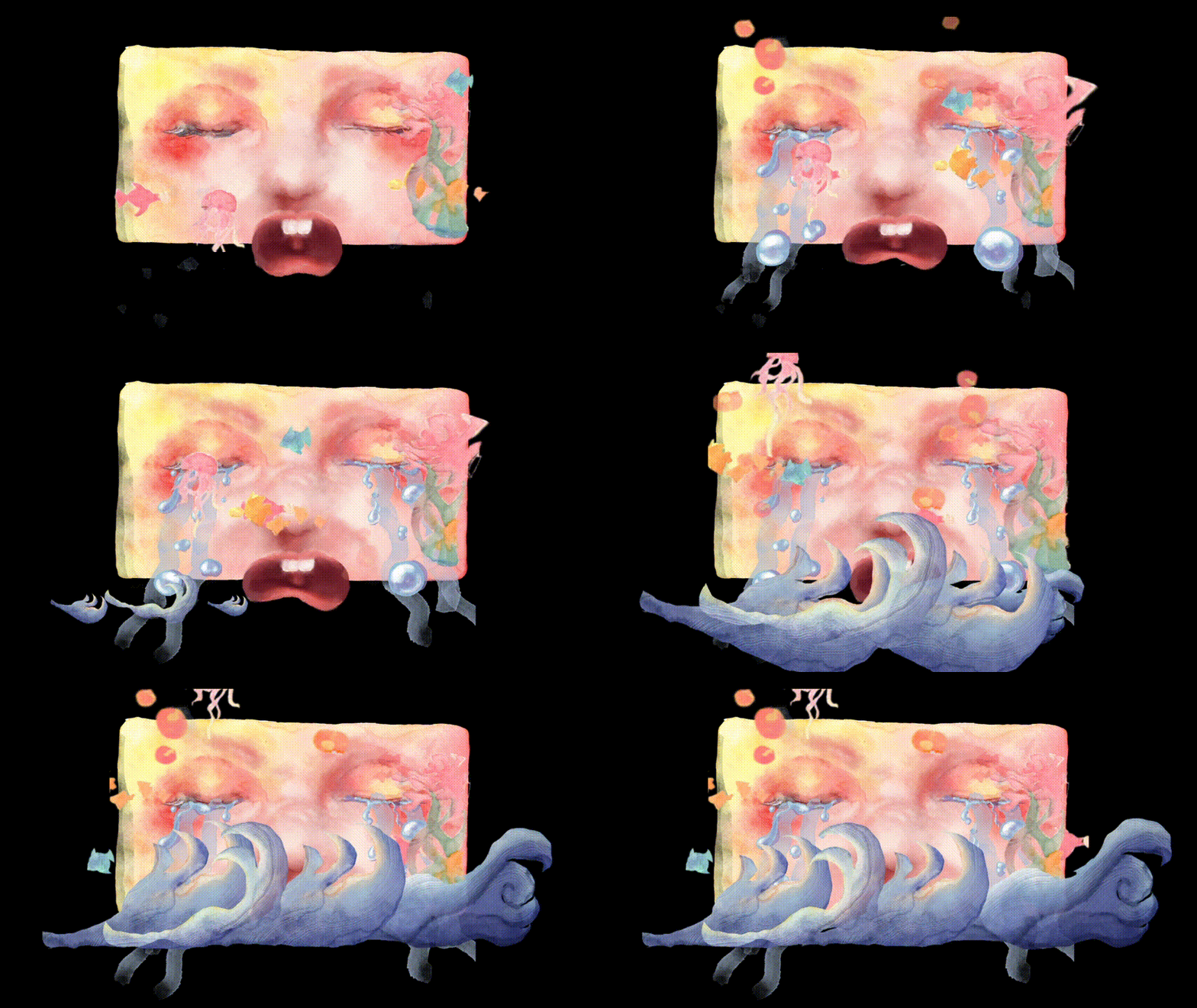
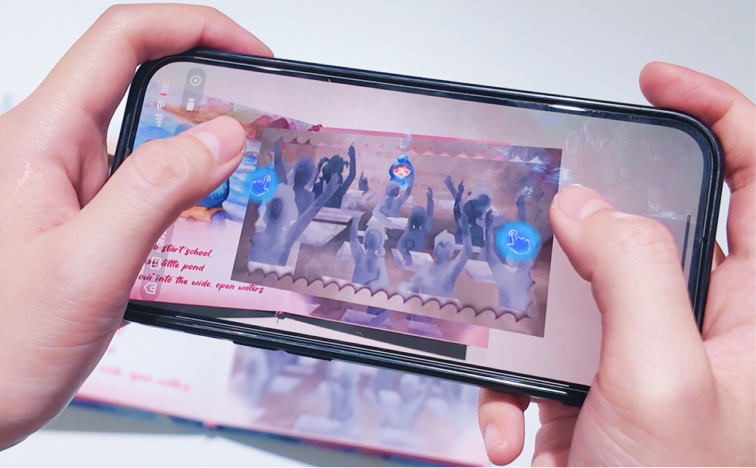
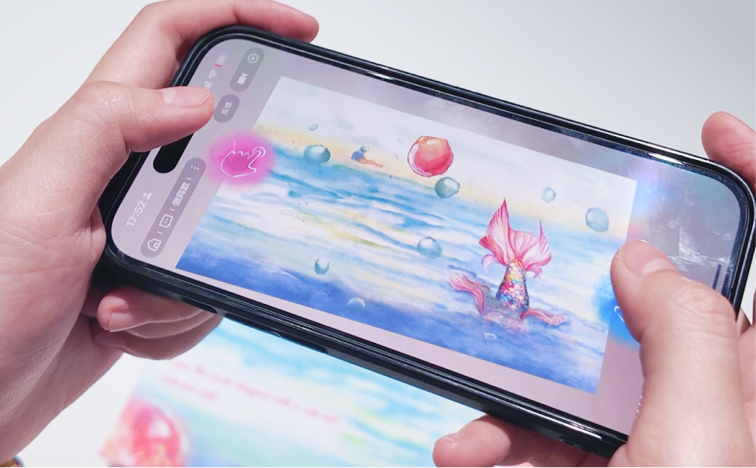
The gradual loss of scales is visualized throughout the story, making emotional changes tangible. In the app/game and AR chapters, these transformations are animated, while in the printed book, illustrations and visual cues convey the same progression.
Interactive Story Flow
Users navigate the story across multiple formats: a printed book, AR-enhanced chapters, and an interactive app/game. Choices in each medium shape how the narrative unfolds and how the emotional journey is experienced.
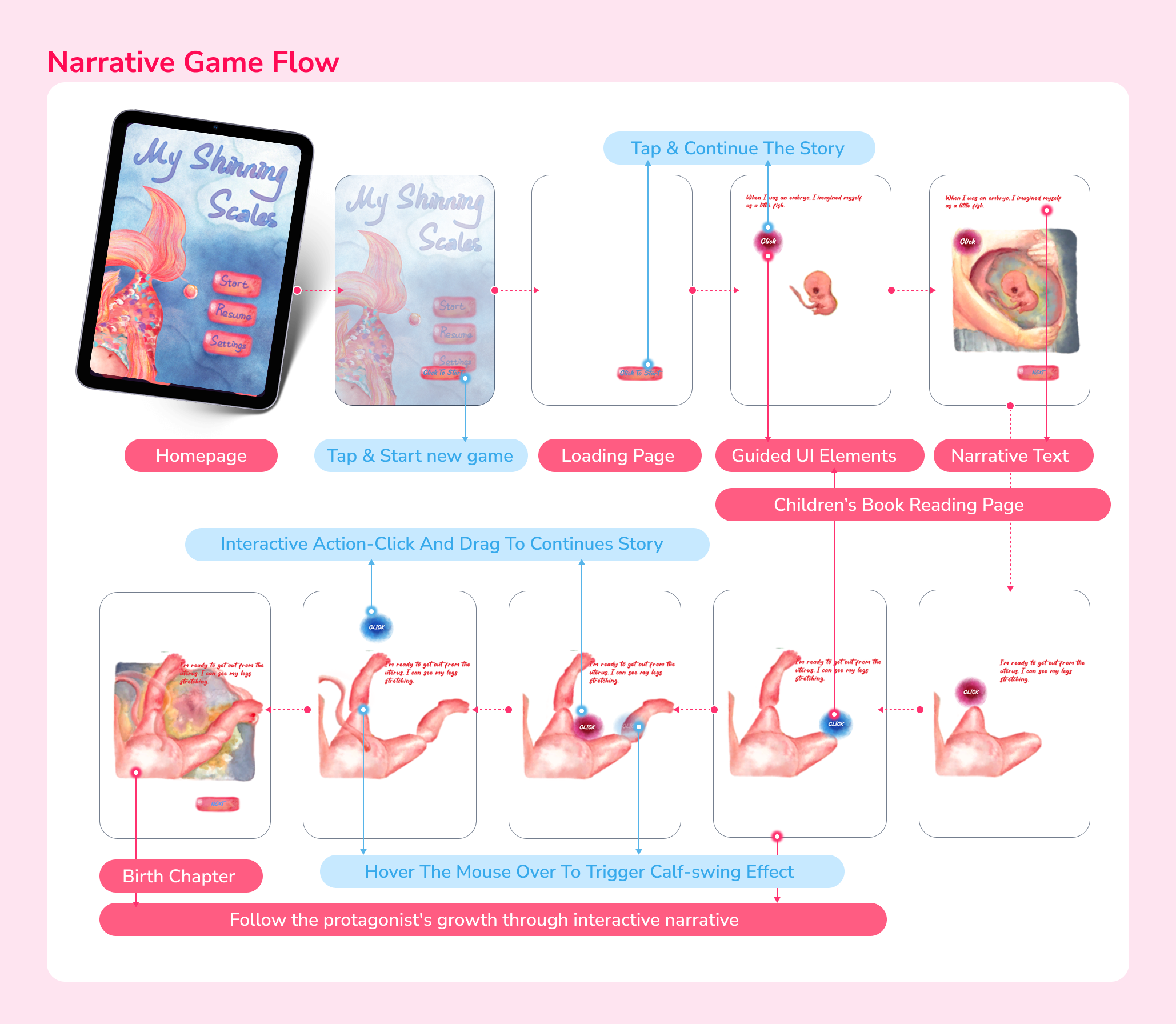
PHYSICAL PRODUCT
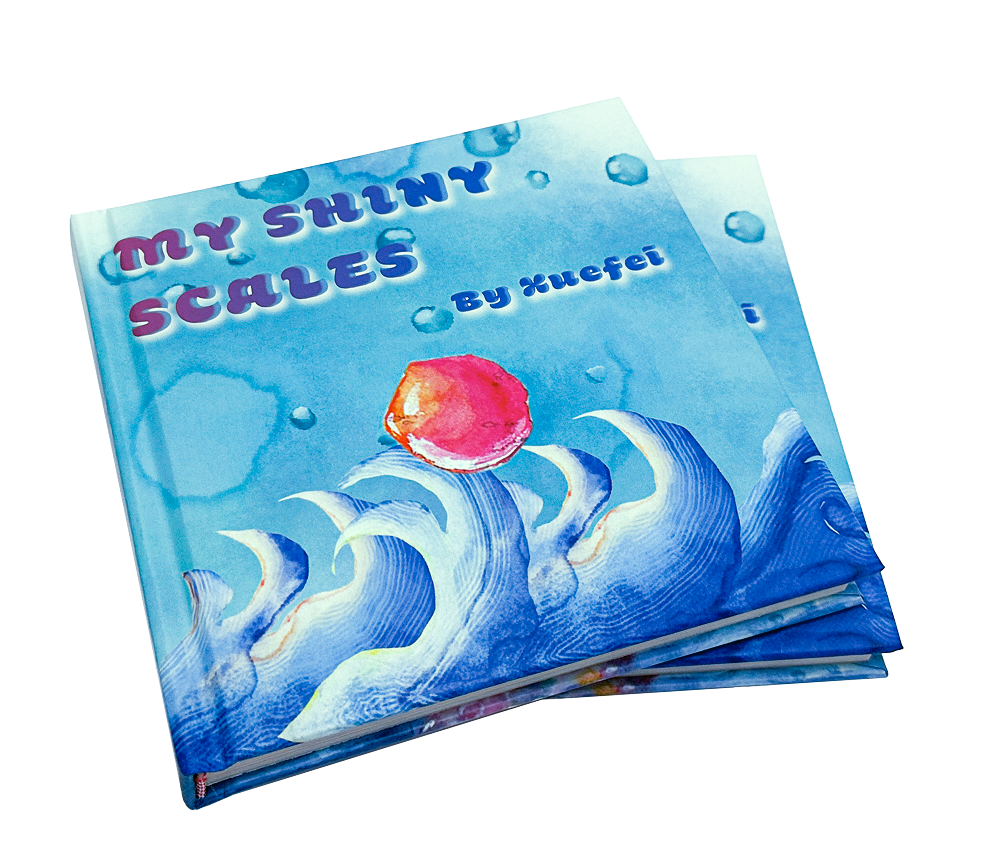
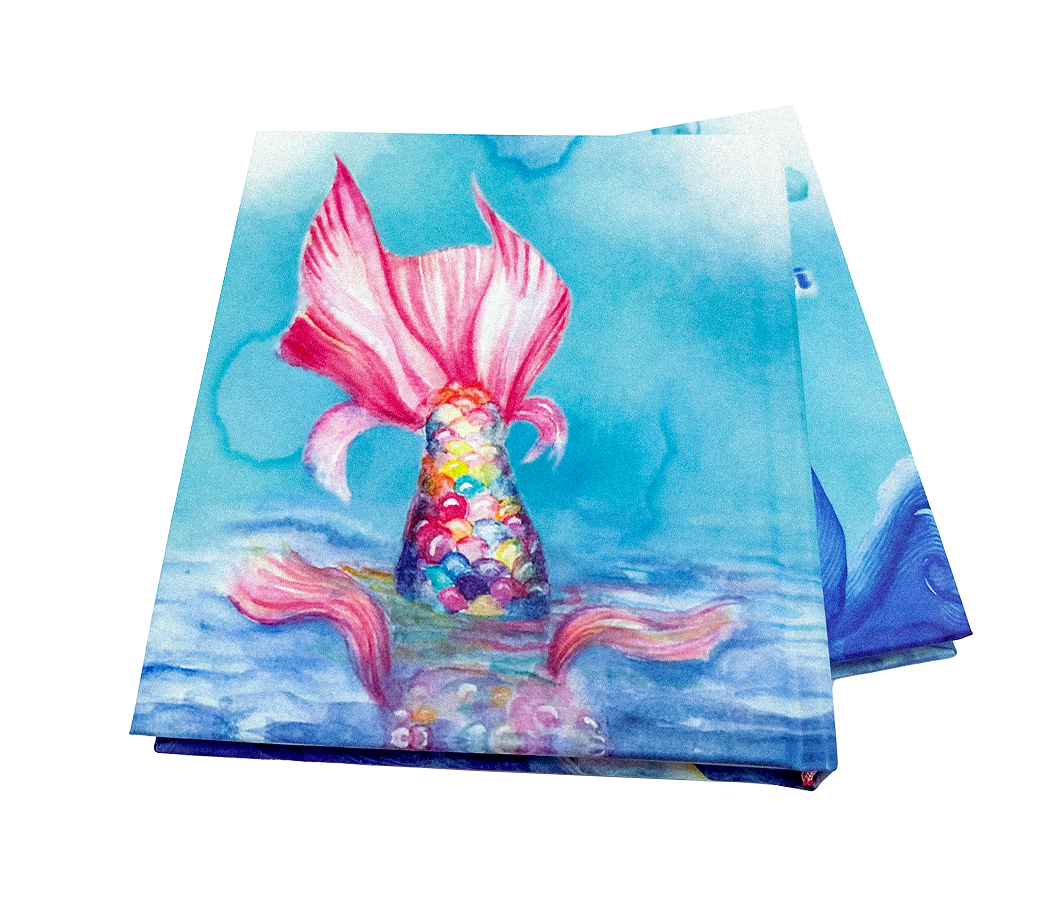
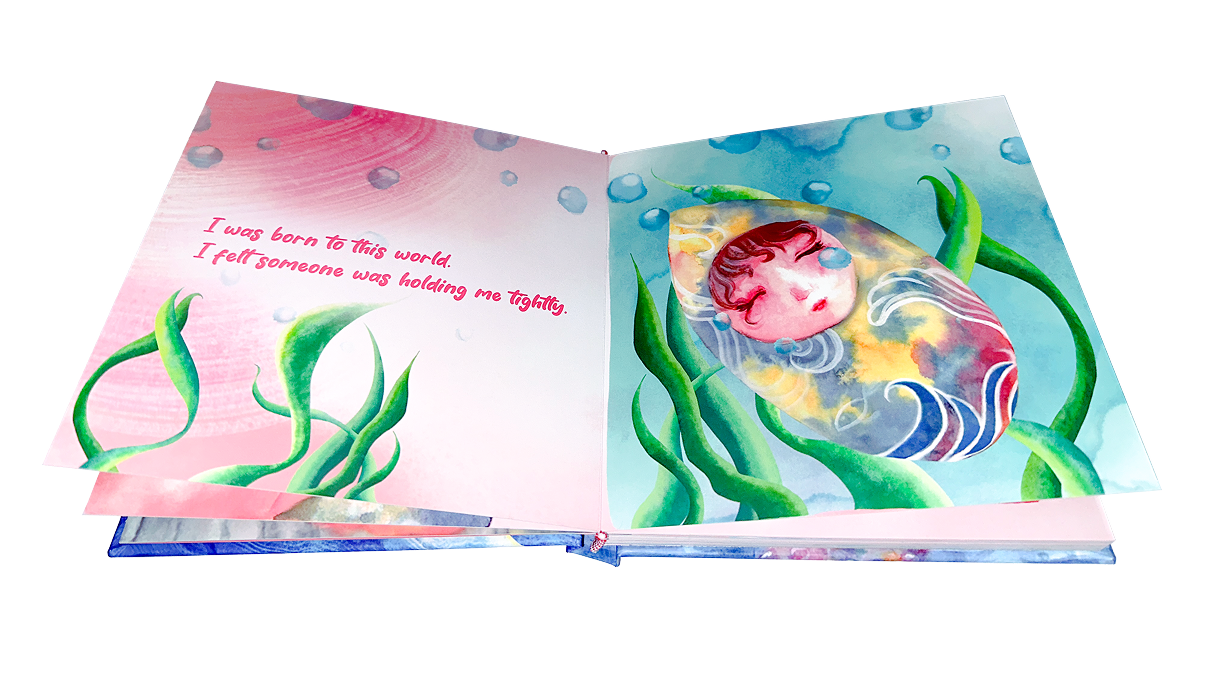
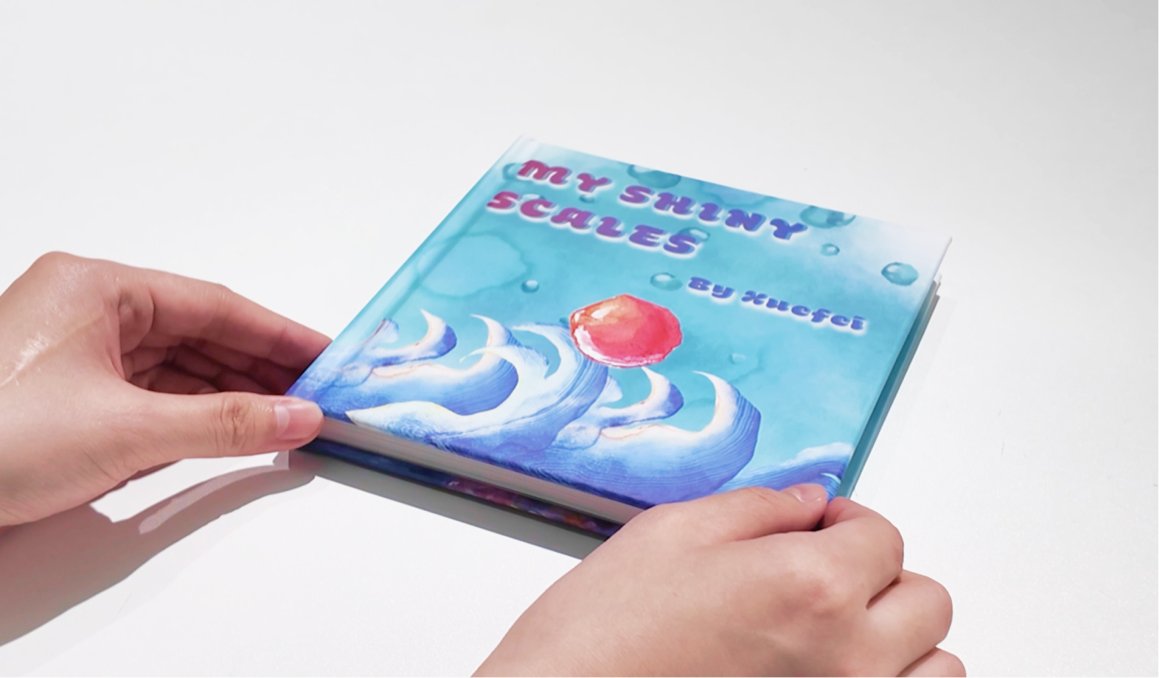
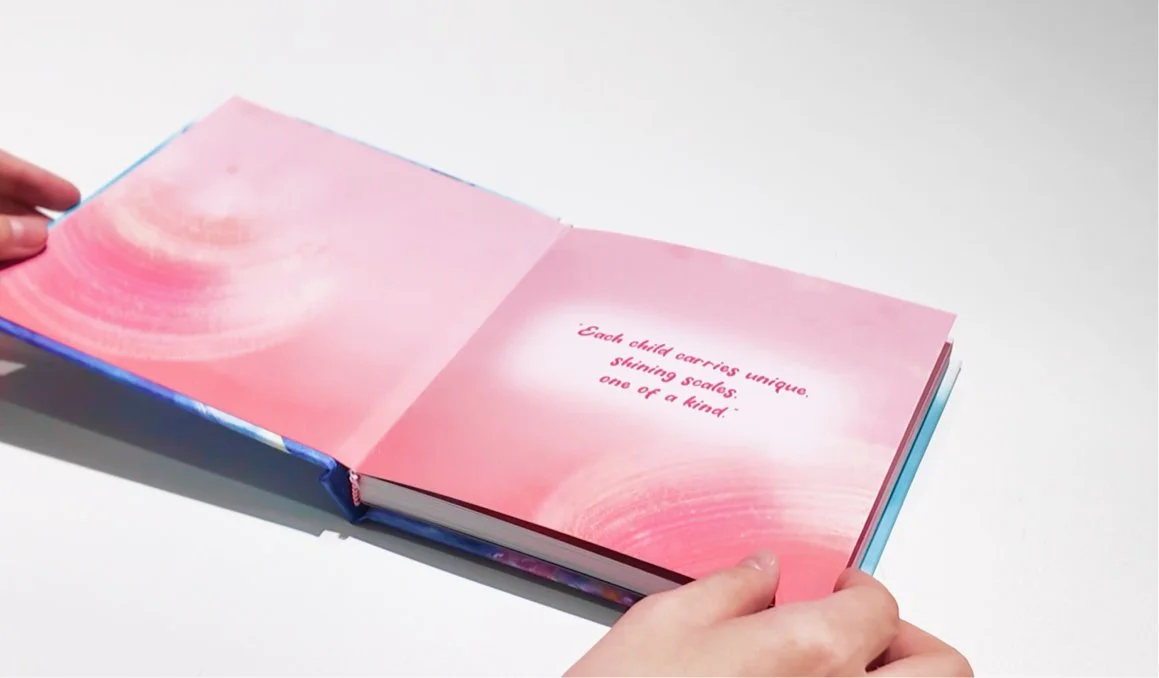
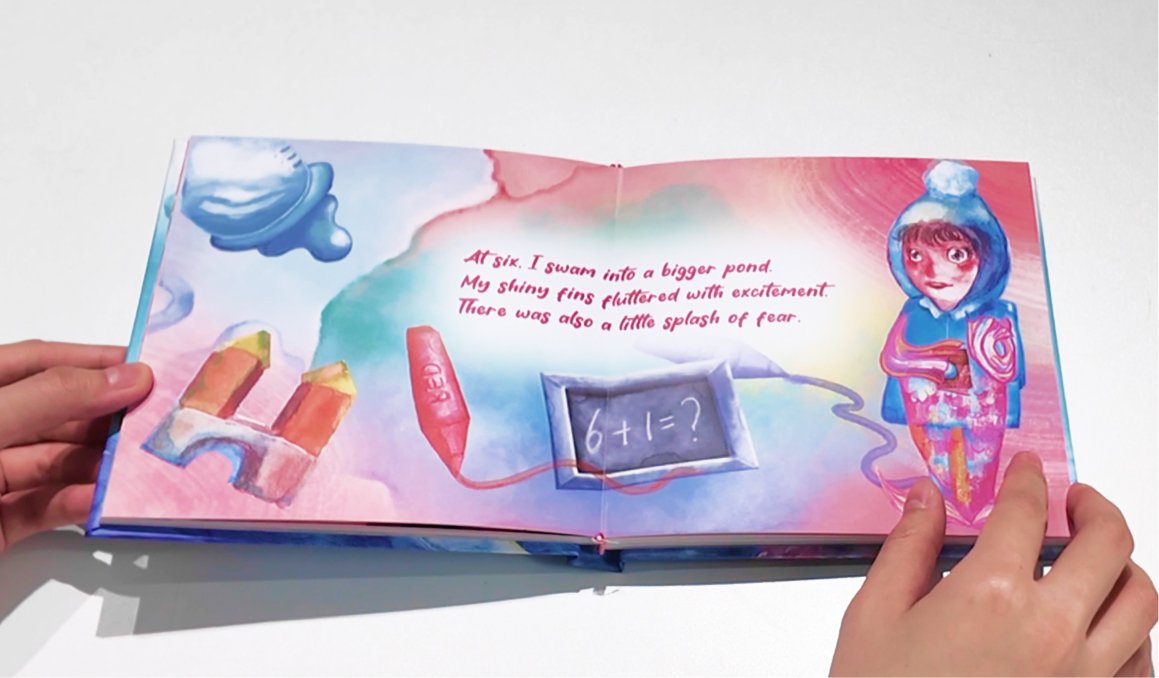
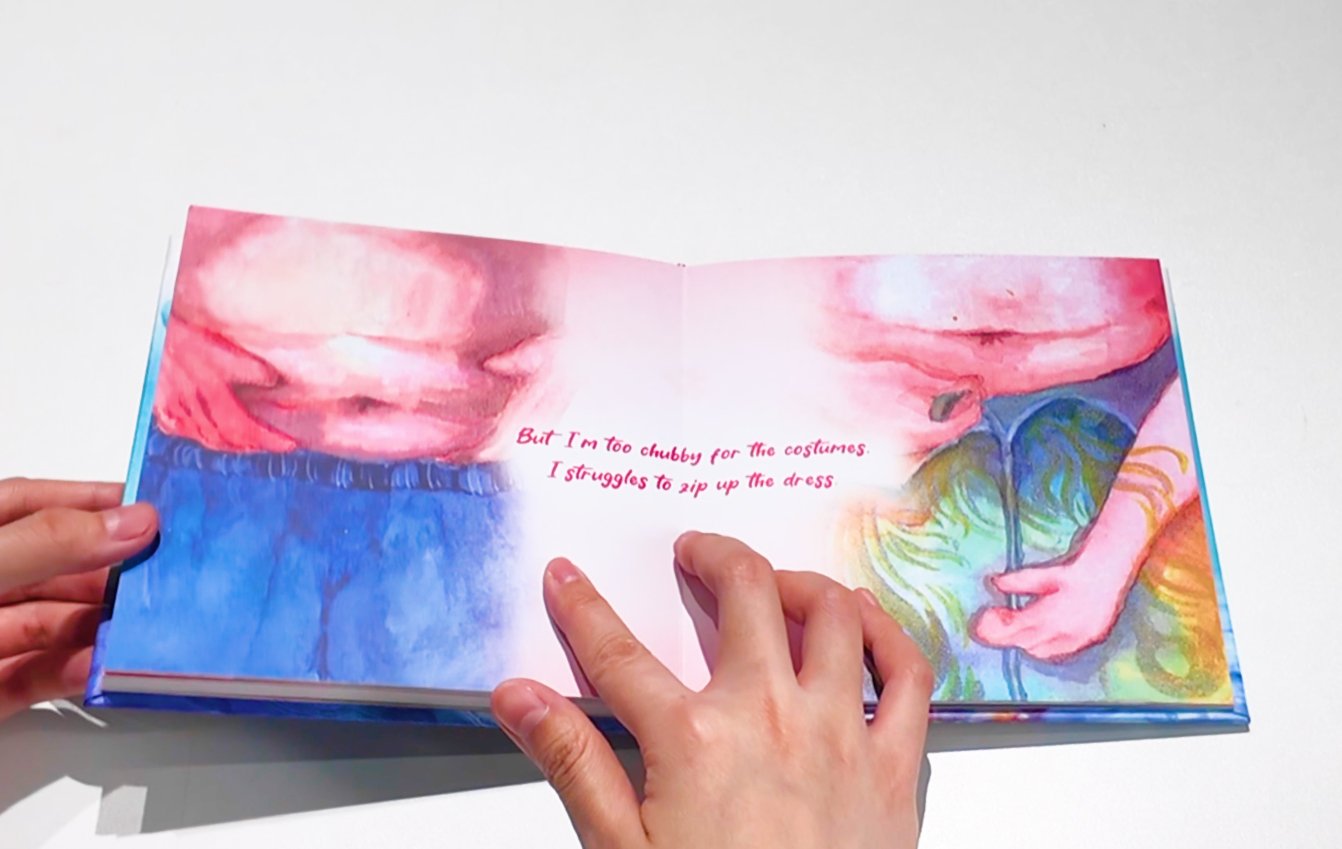
I have made three interactive design outputs for this children's picture book. One is the design of a traditional paper children's picture book. Based on this, I expanded it with AR interactive animation content and designed an interactive narrative game using Unity as the development platform.
BOOK LAYOUT


AR MOTIONS



TESTING & REFLECTION
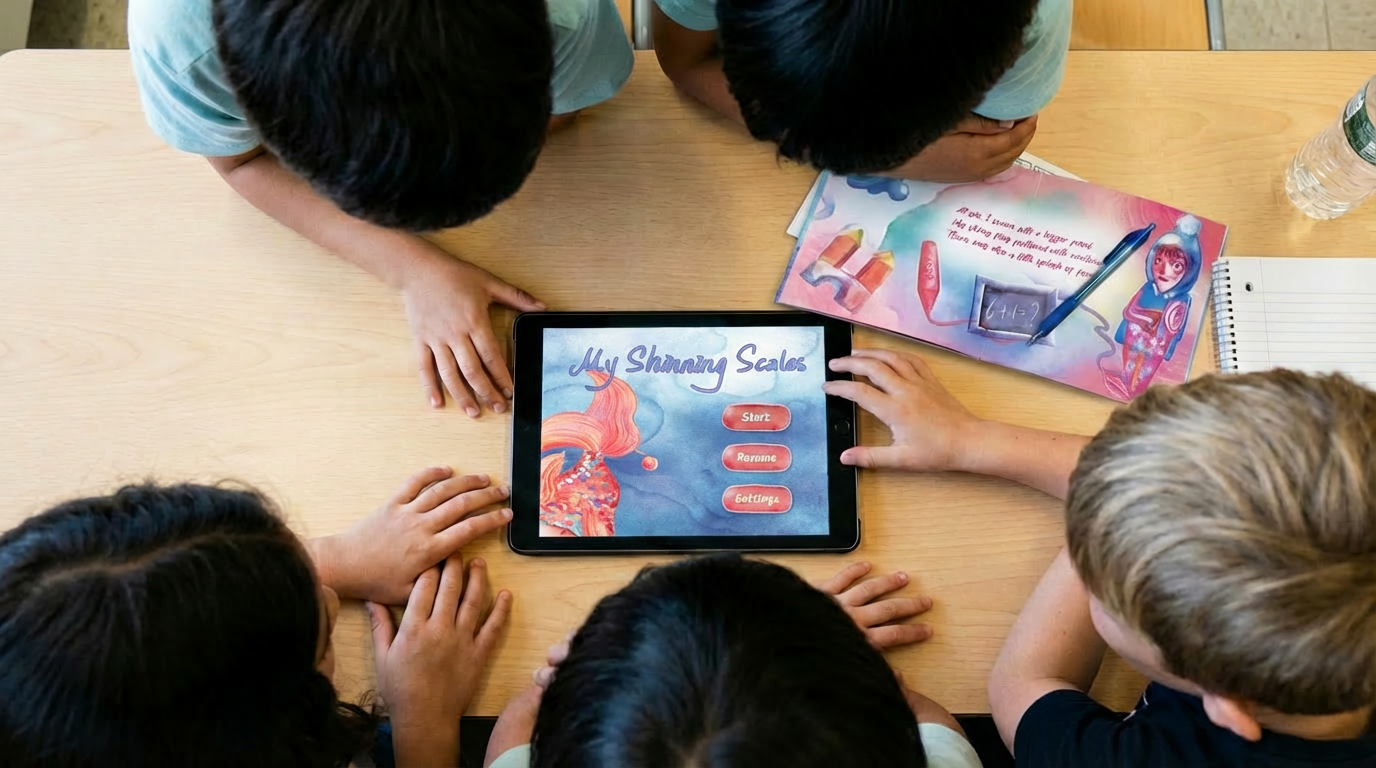
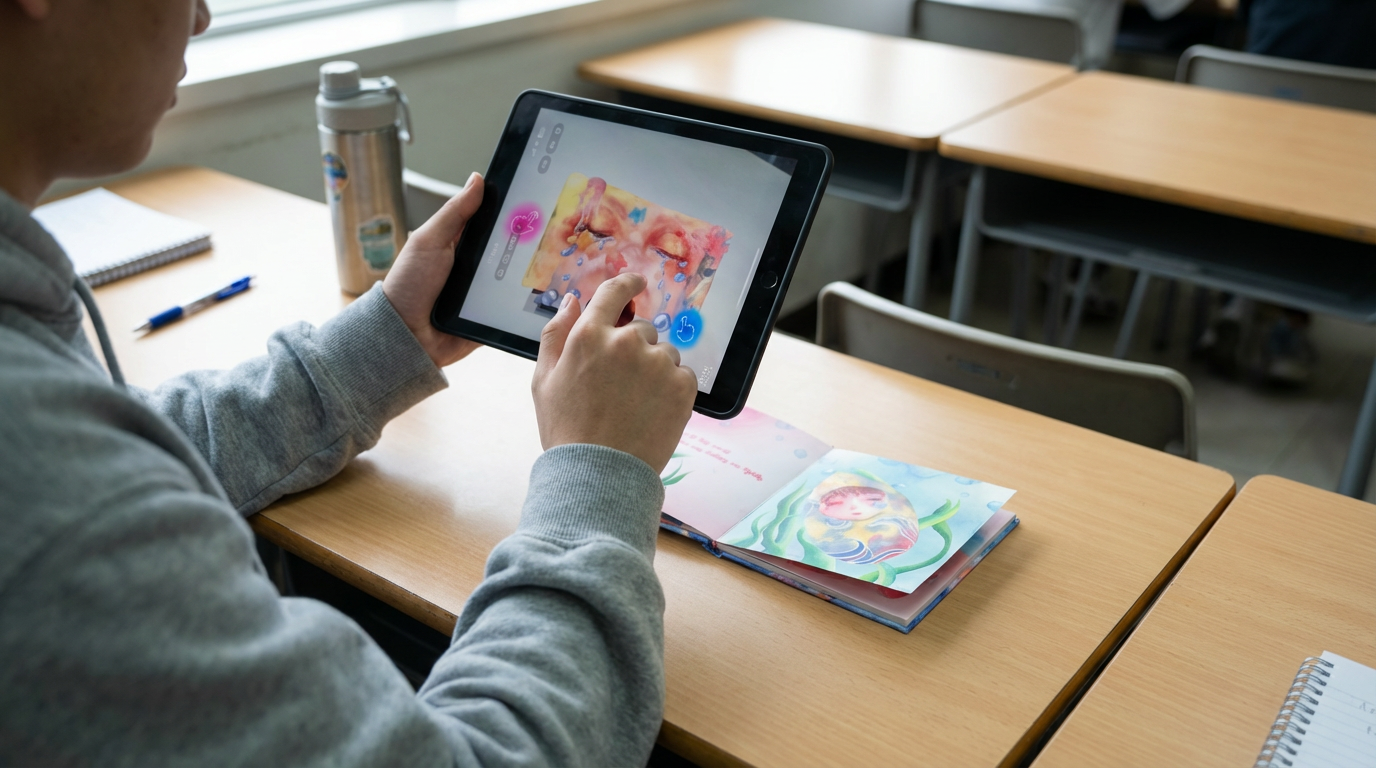


I conducted player/reader testing in a local primary school through my nephew, where a small group of children experienced the story in its printed and interactive formats.
I observed how they engaged with key moments—some paused, pointed at specific scenes, or became noticeably quiet, showing subtle emotional responses. While not all of them could fully express their feelings, many showed signs of recognition and personal connection.
This process highlighted the importance of balance when designing for emotional experiences. I aimed to create something honest but not overwhelming, using gentle interactions and visual metaphors to support reflection without forcing it.